
I want to share the moment of my encounter with Kamui (God)
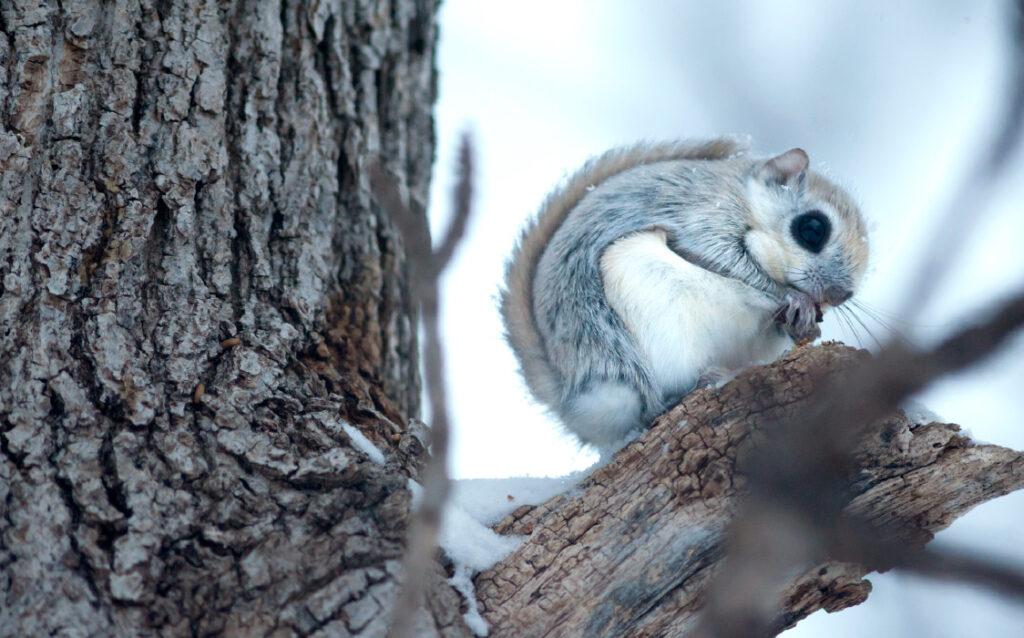
Mr. Otsuka is a mountaineering and skiing guide who is also active as a photographer, mainly in the Daisetsuzan area. In addition to teaching photography techniques and advising on shooting points, I have recently had more opportunities to coordinate personal photography trips. Aiming for the nocturnal Ezo flying squirrel in the early morning of the harsh winter, I kept waiting for a photo opportunity, and when I discovered it, it was the moment when I was able to come into contact with the great life of the Daisetsuzan Mountains for the first time through the Ezo flying squirrel. It was like an encounter with Kamui (God),” he recalls. As you follow the various expressions of nature through the camera, you will encounter wonderful moments every 24 hours a day. He says he wants to share the excitement he experienced with many people.
Feel the dynamic changes of the four seasons of Daisetsuzan
In his early 20s, he longed for mountain life in Hokkaido and moved from Kanto to Asahidake, Hokkaido. While living and working at a hot spring inn, I enjoyed trekking in the forest on my days off. I don’t know many people, and I look back on that time when I faced myself in the bosom of nature. When I saw the wild bird Ginzan Mashiko around the pond, I was captivated by the bright red color from the chest to the belly. Then I picked up my camera and started photographing small wild animals in the Daisetsuzan Mountains. “If I showed a picture of Ezo squirrel to my friend, he would compliment me.” Then I studied on my own with reference to photo magazines. I returned to my hometown before I turned 30 and relearned photography from the basics at a vocational school in Tokyo.
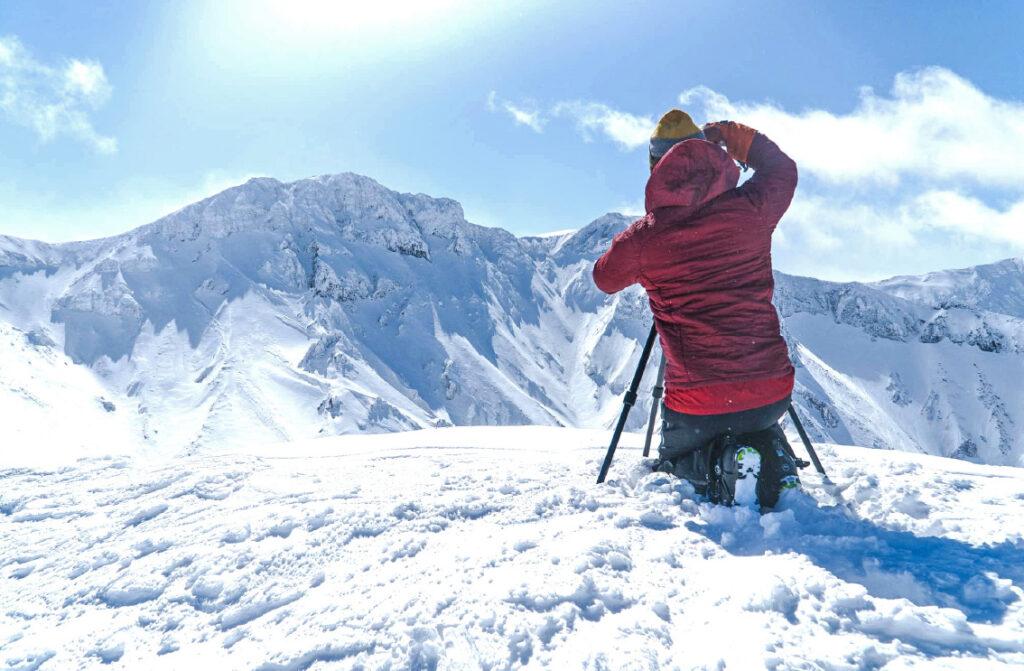
As you observe the Daisetsuzan Mountains through the viewfinder, you can see alpine plants blooming in spring when life sprouts all at once, alpine plants blooming as if enjoying a short summer, and Ezo chipmunks and pikas gathering dead leaves and branches in autumn to prepare for winter. And in winter, after eating leaves on the Ezo pine tree, the Ezo flying squirrel glides on the branches of the bamboo camber. One year in Daisetsuzan allows you to feel the dynamic change of seasons. “Of course I love mountain climbing, but I also feel like I’m climbing to encounter such scenes, because the colony of Chinguruma as far as the eye can see is a sight that can only be found in Daisetsuzan.”
Guided in twice as long as usual Ecotourism with a small number of people
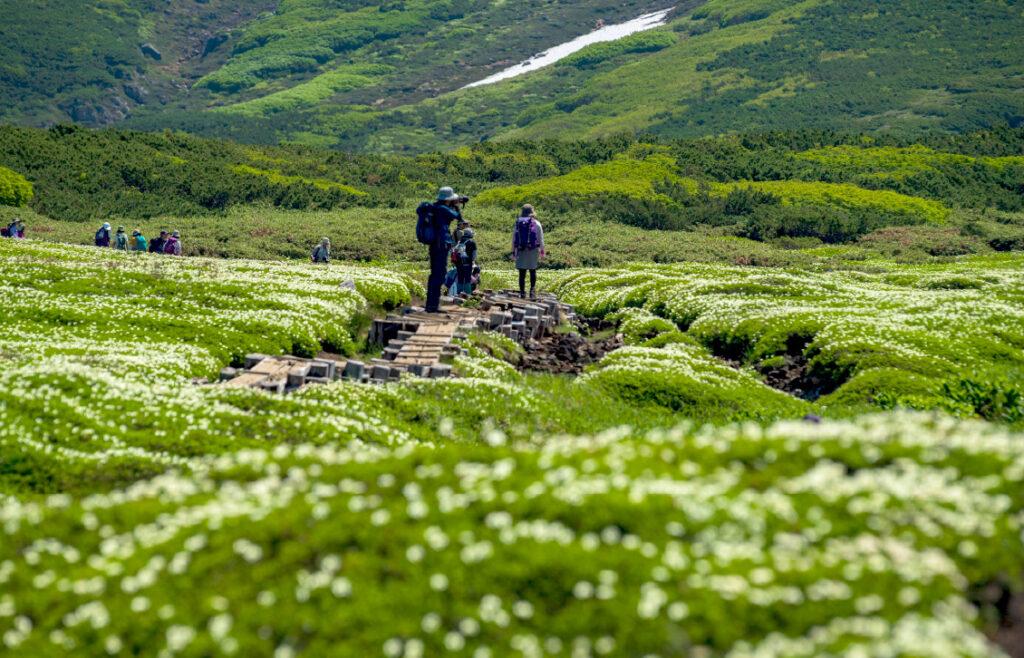
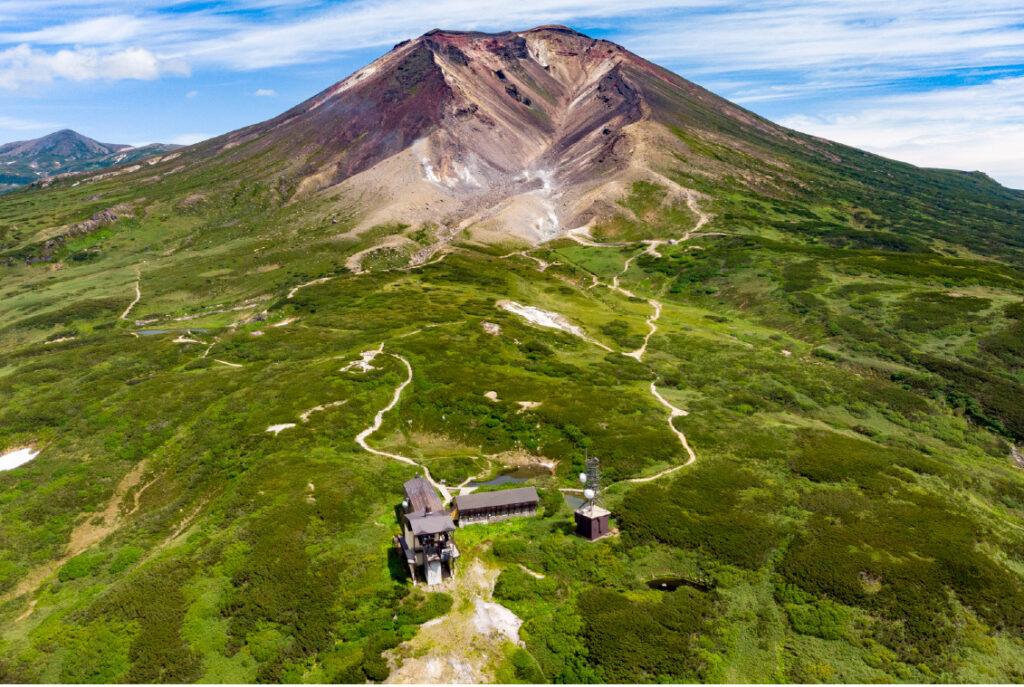
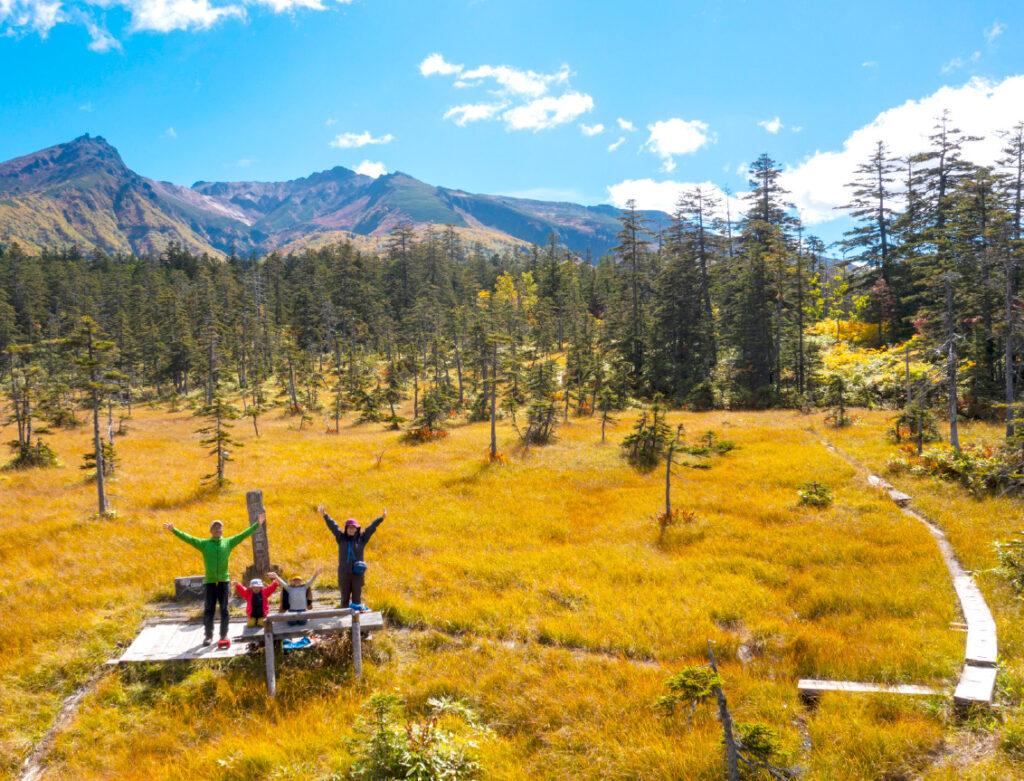
Since 2011, I have also worked on projects to liven up tourist destinations as a staff member of the Higashikawa Tourism Association. I was also involved in the launch of the current Asahidake Visitor Center. At that time, attention was focused on “ecotourism” that did not put a burden on the environment. This is a tour that conveys the charm of nature from a local perspective to a small group of tour guests. For example, the trekking route of the pond is about 1.7 kilometers per lap. There are ups and downs, but there is a wooden path, and it is a course for beginners that can be completed in about an hour. From the course, you can see the majesty of Mt. Asahidake, the Tokachidake mountain range, and the beautiful lakes up close. Even if it is not a photography tour, Mr. Otsuka will guide you for nearly two hours, which is twice as long as usual. “It takes a long time because the general public pays attention to scenes that they don’t notice, but everyone is very satisfied.”
The moment you feel the breath of life
When you go into the forest and observe nature on a regular basis, Daisetsuzan is full of scenes that make you feel divine, such as the giant trees of Mizunara and the full moon looking up from the forest. In the early morning of winter, the tense air is also a photo opportunity. It is not uncommon for private order photography trips to accompany customers in the mountains for 1~2 weeks. Customers want to shoot scenes like this, and they want to encounter scenes like this. There are scenes in Hokkaido that meet that expectation. The joy of encountering such a scene is all about the guide.”
Coordinating a photo shoot trip is not limited to Daisetsuzan Mountain. I sometimes go to Shiretoko’s drift ice, wild birds in hand-sold and grilled buttocks, and white-tailed eagles all the way to eastern Hokkaido. During the shooting, Mr. Otsuka himself sometimes guides us to the points he found, and when he talks about the miraculous experience he encountered there, the audience waits for the moment as a team with Mr. Otsuka to experience it. “I will teach you technical things if asked, but most tour participants enjoy finding them on their own. That’s a lot.”
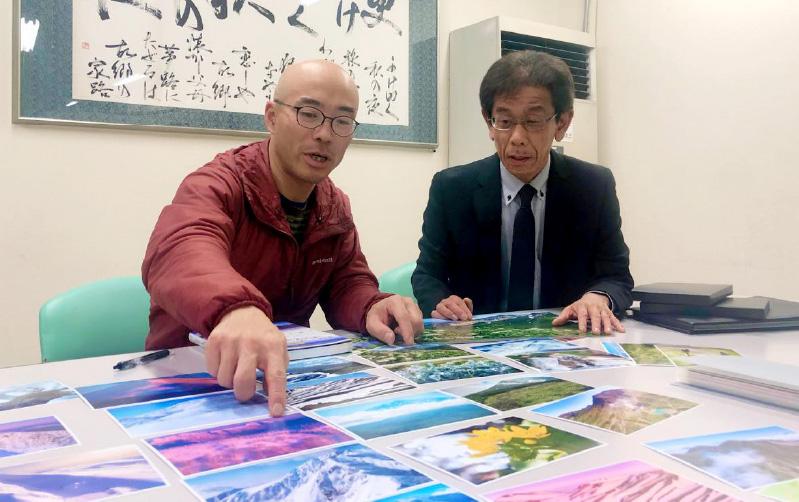
Photographing the dynamism of the Earth “Southern Limit of the Arctic Circle”
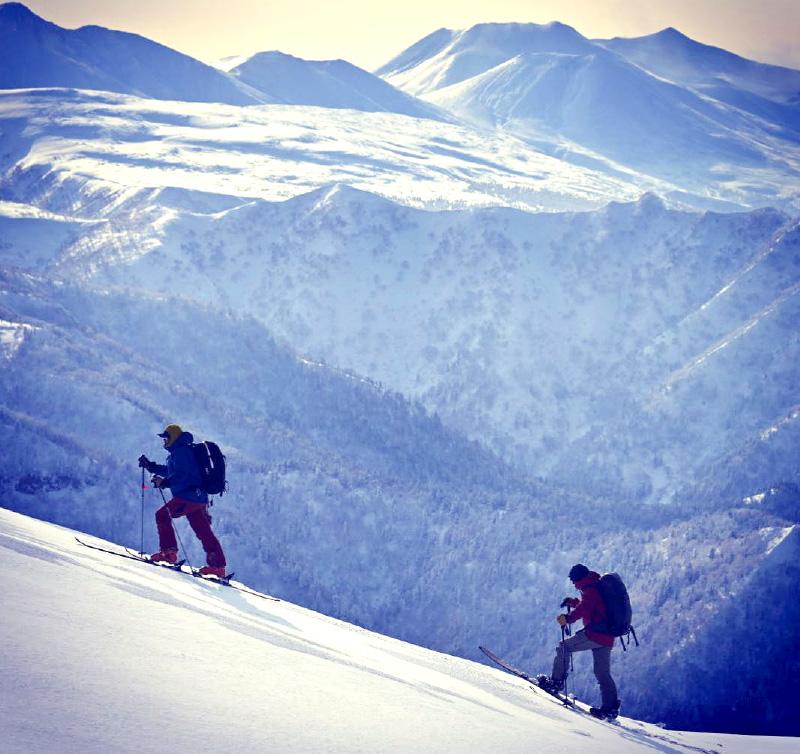
Mr. Otsuka describes Hokkaido’s Daisetsuzan Mountains as “the southern limit of the Arctic Circle”. The forest limit at an altitude of 1,500 meters, the rich land with pure underground water, and a large amount of powder snow. Daisetsuzan approaches us humans with a sense of global scale. As a mountaineering photographer, he wants to convey the greatness of the mountaineering and share the excitement of many people through his guide. On the other hand, you must look at the weather and the physical condition of the climbers to make the right decisions in case of danger. This is also because I feel that Daisetsuzan has a global dynamic, so I keep it in mind.
I’ve heard the saying that photographers are only as good as being able to notice the moment they need to capture. Scenes that are usually missed casually are valuable. If you can have such an observational eye, this field will surely become a treasure trove.
Photography and editing cooperation
TAISETSU Guide Training Program Interview Video