Feel the great outdoors! Asahidake Trekking

After enjoying a walk in the air on the ropeway while looking at the “Garden of the Gods Playing” that spreads out below, we trek around the area around Mt. Asahidake, the highest peak of the Daisetsuzan Mountains, which is full of the real pleasure of Mt. Asahidake. Enjoy encounters with endemic plants and animals such as alpine plants, Ginzan mashiko, and Ezo chipmunks. A dynamic and very satisfying tour where you can enjoy both mountain gourmet food and natural hot springs.
Spots to visit on this course
- Asahidake Visitor Center
- Asahidake Ropeway
- Trekking to the pond
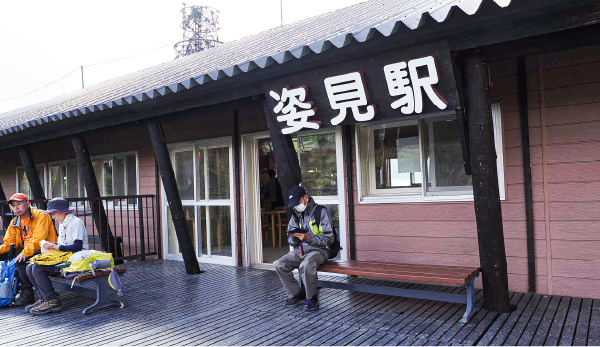
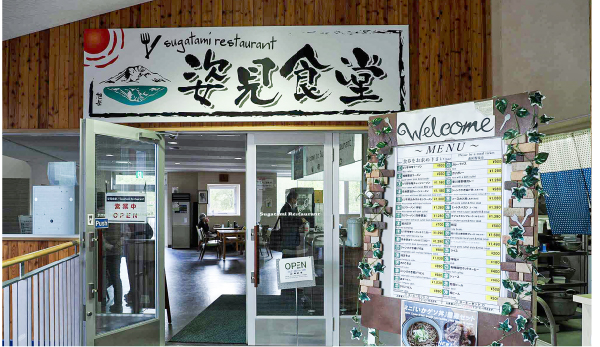
- Appearance Canteen
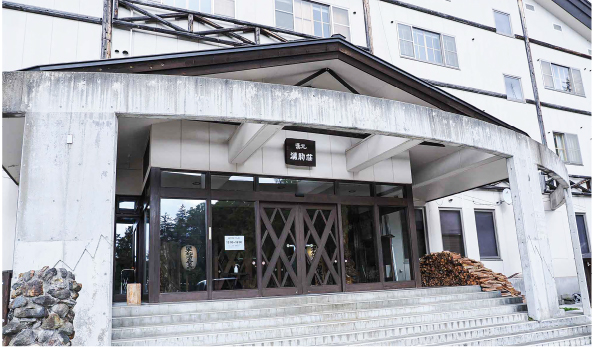
- Yumoto Yukomaso
1 Day
-
-
Departing from Asahikawa Station
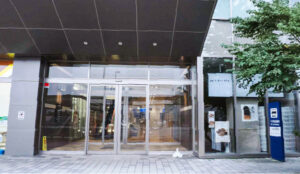
Asahikawa Electric Track Information Center
(Wise Hotel 1F)
introspection
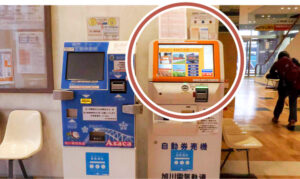
ticket machine
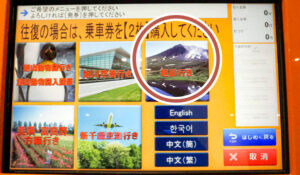
Ticket vending machine screen. For the round trip, purchase two one-way tickets. There is a cashless ticket vending machine.
-
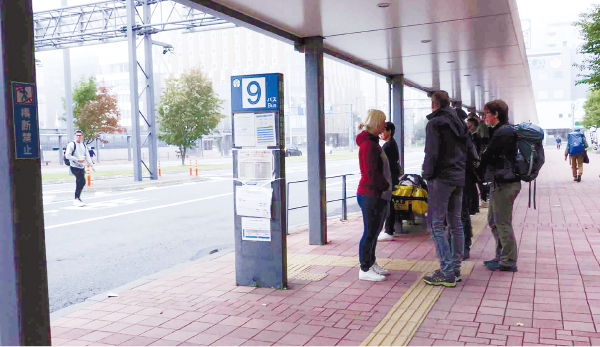
7:15 Asahikawa Station (9) Bus stop
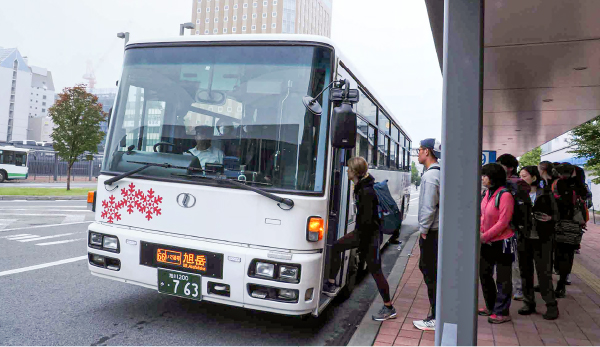
◇No. 66 “Ideyu”
*Be sure to take a numbered ticket.
*Payment will be given along with the numbered ticket when you get off. -
-
9:03 In front of Hotel Bearmonte
-
-
9:05 Visit the Asahidake Visitor Center
Support for mountaineering and outdoor activities in Daisetsuzan National Park
Mt. Asahidake is the main peak of Mt. Daisetsuzan, which is located almost in the center of Hokkaido and is a series of 2,000-meter-class mountains, and is the highest peak in Hokkaido. It is connected by the Asahidake Ropeway from the foot of the mountain to the 1,600-meter-high Asahidake Ropeway, and the area around the station is a gentle walking course, making it a place where many alpine plants and wild animals live. The high season is from the opening of the mountain in June to the autumn foliage season in early September, and many climbers visit. When the autumn leaves are over, a long winter comes, and you can enjoy the finest powder snow.
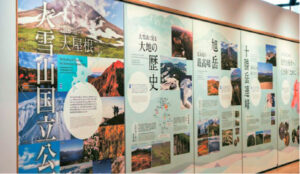
Animals and plants that live and grow around Daisetsuzan are introduced through taxidermy, resin specimens, and AR exhibitions.
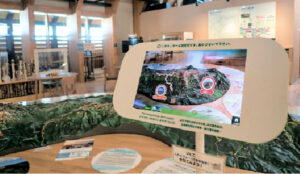
Tablets are installed in front of the diorama in the museum and in front of the taxidermy exhibition. You can navigate the trail and check information about flora and fauna on your tablet.
Recommended by local guides!
Not only does it exhibit, explain, and screen the history and nature of Daisetsuzan National Park in an easy-to-understand manner, but it also disseminates the information necessary for mountaineering that you need to know now in real time, so it is a facility that beginners in mountaineering and those who are new to Mt. Asahidake should stop by. In addition, we offer experience programs (eco tours) throughout the year that allow you to learn more about and enjoy the charm of Daisetsuzan National Park and Higashikawa Town.
-
-
10:05 Asahidake Ropeway
Go to the Garden of the Gods where you can meet after a walk in the air
The Asahidake Ropeway, which connects Asahidake Onsen at an altitude of 1,100 meters to an altitude of 1,600 meters, which is the fifth station of Mt. Asahidake, takes about 10 minutes to see, and is the main spot for sightseeing in Asahidake, where up to 101 people can ride at a time. Announcements about the surrounding mountains and the natural environment are played inside the ropeway, and you can enjoy the panorama of Daisetsuzan Mountain from the train window. In the second half of Silver Week in September, many tourists visit to catch a glimpse of the vivid scenery spreading out below at the peak of the autumn leaves from the window. In winter, rare natural phenomena such as diamond dust and sun pillars may appear, and many photographers aim for this moment.
From December to May, ski courses are also maintained, and mountain skiers from all over the world in search of high-quality powder snow use the ropeway to transform into a gorgeous image.
It runs every 15 minutes in summer and every 20 minutes in winter, with special services available during peak seasons.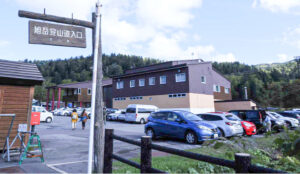
Enter the entrance and go to the right
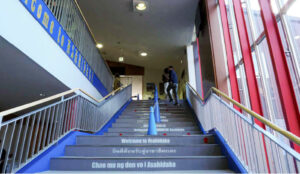
Go up the stairs to the second floor
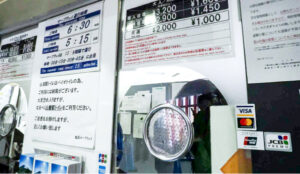
Ticket office. Tickets can also be used by credit cards.
-
trek

*Can be enlarged.A course for beginners that is full of the real pleasure of Daisetsuzan
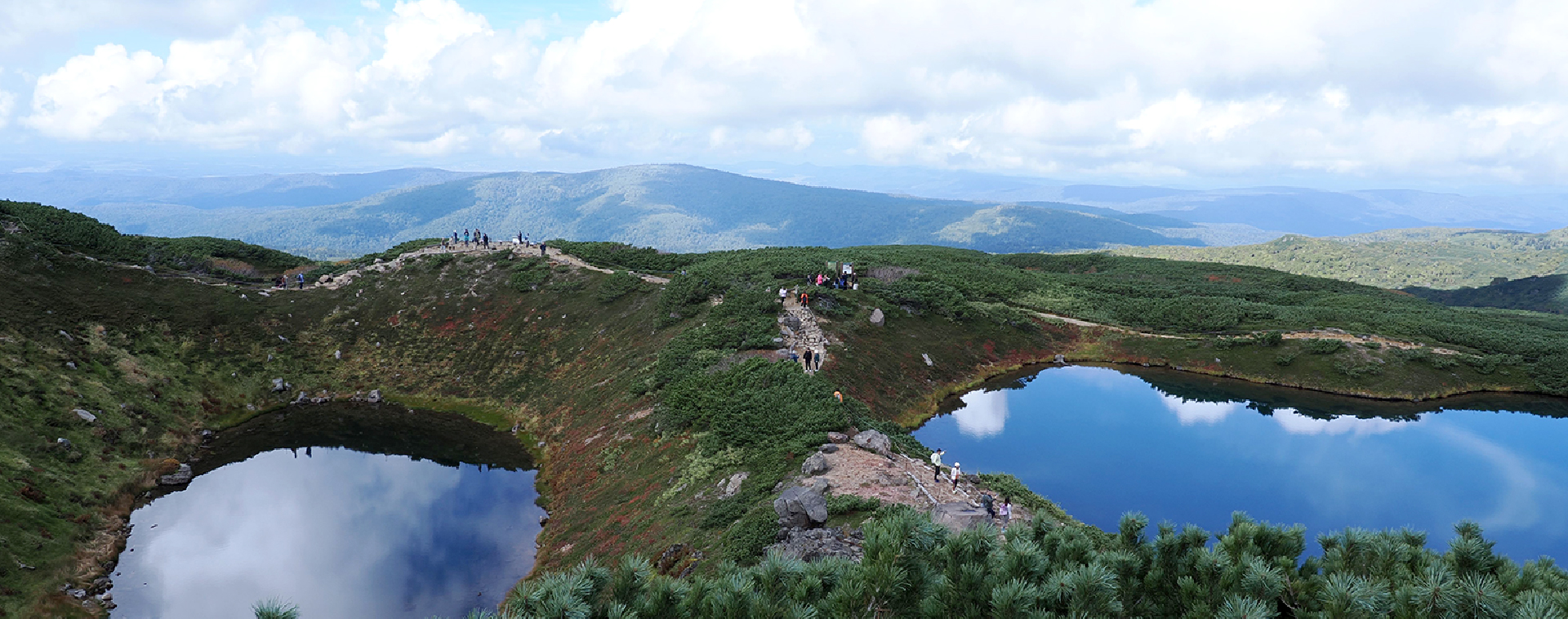
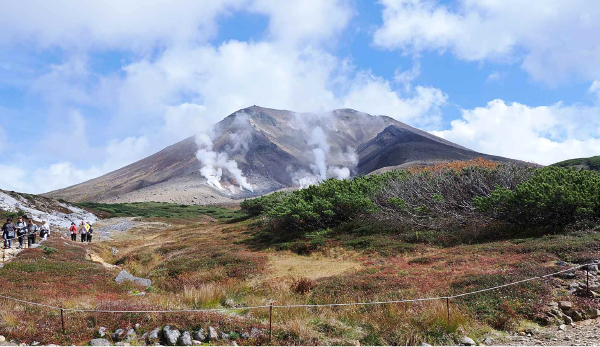
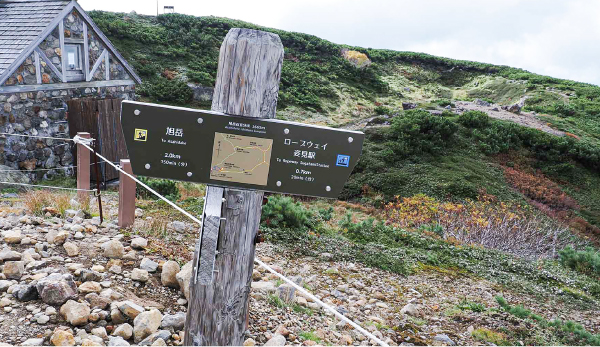
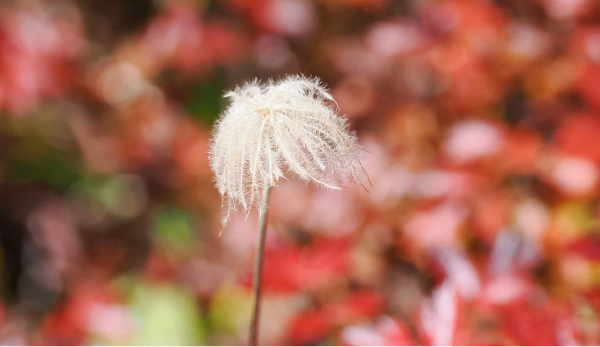
When you get off the ropeway, it is an alpine belt where no tall trees grow. You can easily enjoy alpine plants, and the undulations are relatively gentle, so this course is recommended for those who don’t want to go on a hard mountain walk but want to enjoy alpine plants. The vegetation in this area is called the snowfield community, and the progress of the snowmelt varies depending on the terrain and sunlight, so you can enjoy alpine plants from late June ~ mid-August. In particular, the swan snow valley and the flower field of Chingulma that can be seen in Susohadaira in mid ~ late July are famous. It is a trekking course for experienced mountaineers that takes 6-7 hours round trip, and it is recommended to go with solid climbing equipment, especially in July, when there is still snow, as there is a lot of mud due to melting snow. Also, please enjoy climbing while being careful not to go off the trail and trample on the flower garden. Even if it’s just a little bit, if you want to see alpine plants, you can enjoy the flower fields of Daisetsuzan Mountain by taking a walk in the pond garden. There are many fumaroles in this area where sulfurous acid gas and hydrogen sulfide are spewed out, so only plants that are resistant to volcanic gas can live.
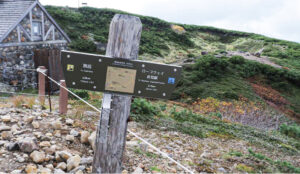
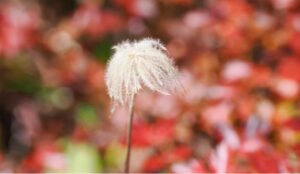
Chinguruma
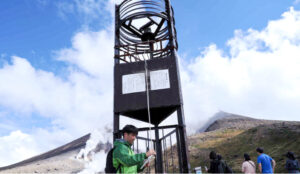
Daisetsuzan Love Bell
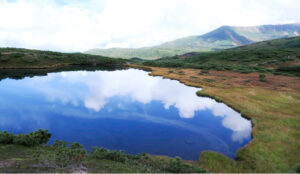
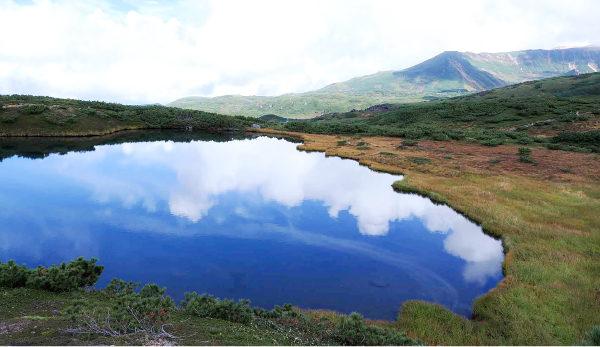
Pond of appearance
Recommended by local guides!
We recommend the “Pond Tour Course” for 1 hour a week and about 1.7 km in distance. The course has moderate ups and downs, so even beginners can easily take on the challenge. Here, in nature’s treasure trove, you may encounter the near-endangered Ezo chipmunk. When you meet, keep your distance and avoid giving or touching food. The gentle swaying and pretty alpine plants are also cute. Even in summer, the temperature in Asahidake changes drastically, and it can suddenly get cold. When visiting, it is recommended to dress warmly. The area around the pond that the Ainu people once called Kamui Mintara (Garden of the Gods) is a must-see.
-
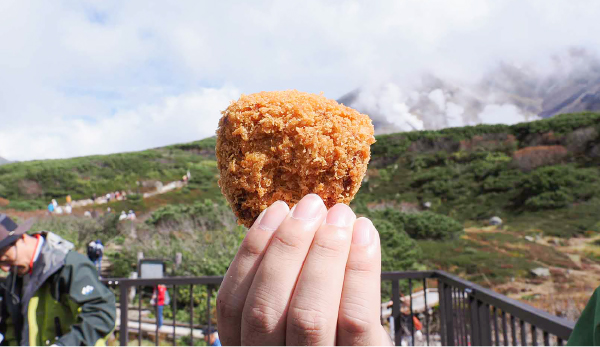
Croquettes at the station
An impressive experience that can only be experienced at the summit station
At the station shop, there is a specialty “handmade croquettes from the mountains”. While watching the plumes climbing from the mountain, let’s enjoy croquettes inspired by the shape of the mountain. The croquettes made with Daisetsu-san pork and local Higashikawa potatoes are crispy and fluffy. The taste is also firm, so you can enjoy it as it is. We also recommend organic coffee brewed with Asahidake source water.
-
Lunch at Sanroku Station
The deliciousness that permeates the stomach of Pekopeko after Trekking Asahidake
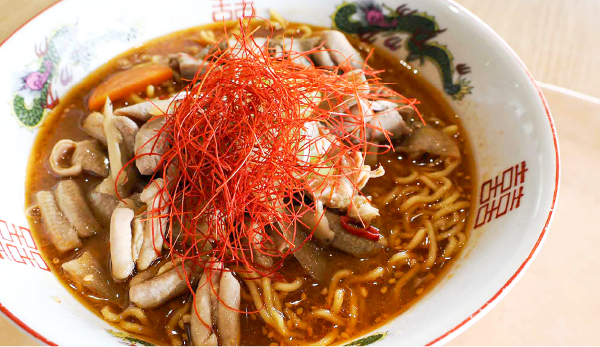
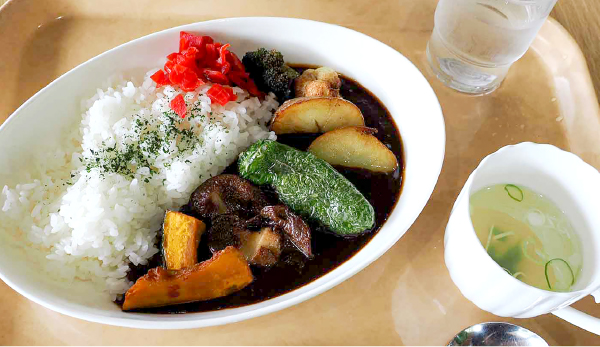
The cafeteria at Sanroku Station carefully selects carefully selected ingredients, and in the summer, the local Higashikawa vegetable curry is the most popular. The ramen topped with cutlets and the ramen with simmered hormone are hearty. It is used as one of the few lunch spots in Asahidake Onsen.
*Cash only.
*The menu for purchasing a meal ticket is written in English.Learn more
〒071-1472 Higashikawa-cho Asahidake Onsen Asahidake Ropeway Station Building 2F
TEL.0166-68-9109
Open / 11:00 ~ 16:00 (LO. 15:00)
Closed / No
holidays -
Exit the ropeway and go down
-
Day trip bathing at Yukomaso
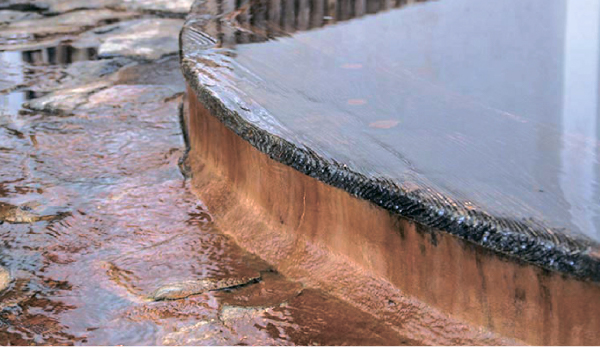
100% of the source is Kakenashi. Heal the fatigue of mountain climbing in a real hot spring
It was discovered in Taisho 3 (1914), and since its opening, it has continuously gushed out more than 300 liters of hot water per minute. The spring quality consists of sulfate springs and bitter springs “magnesium”, gypsum springs “calcium”, bicarbonate springs “alkali metals”, and green spring springs “iron”, and the “sulfate spring” with chlorine borate is especially rare among the famous hot springs in Japan.
All hot springs are poured into the bathtub directly from the on-site private source. Please experience the charm and benefits of “real hot springs” that can only be experienced at inns with high-quality and abundant hot springs.Recommended by local guides!
Located in a protected area of the natural environment of a national park, this inn boasts magnificent nature in all four seasons, rock baths, open-air baths, and natural spring water. Hokkaido food for guests and meals made with local ingredients are also popular, and I would like you to try them when you visit Asahidake Onsen for your stay.
Learn more
〒071-1472
Hokkaido-gun, Higashikawa-cho, Yukomabetsu Asahidake OnsenTEL.0166-97-2101Day trip bathing
reception hours/12:00~18:00 (open until 19:00)
〈Usage fee〉
Adults: 1,200 yen
Children (elementary school students): 600 yen
Infants (under elementary school age): Free
Rinse-in shampoo and body soap available
Bath towel: 300 yen
Face towel: 200 yen -
Asahidake Onsen entrance departure
◇No. 66 “Ideyu”
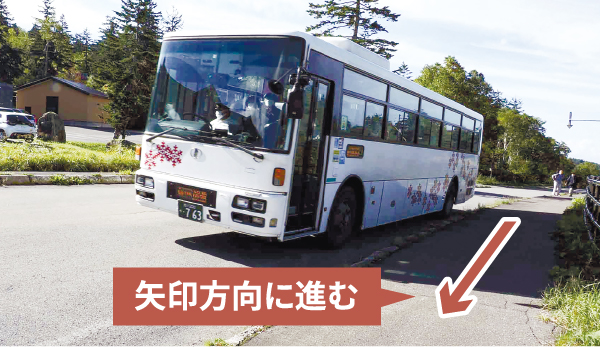
The bus stop on the way back is right in front of Yukomaso.
During busy times, flights are increased, but auxiliary seats are also used. If you have time, we recommend riding from the first train.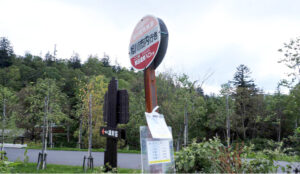
Go to the bus stop a little early
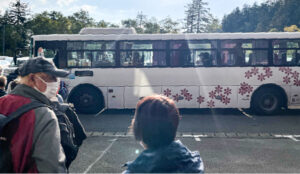
Take a numbered ticket and get on the bus
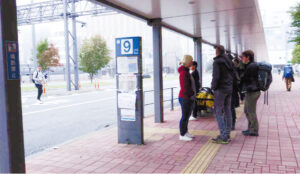
Asahikawa Station Platform 9
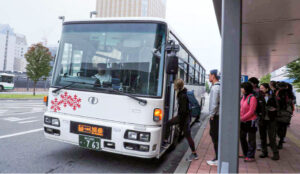
When you get off the bus, hand over the ticket along with the numbered ticket.
-