
Chasing dreams that spread across the fields of heavy snowfall areas
A Canadian canoe guide on the Ishikari River in Asahikawa City, and Takuma Isada, the representative of “Field of Dreams”, who runs a bonfire campsite in Shibetsu City.
I want many people in Hokkaido to feel the excitement of going down the Yukon River in Canada alone at the age of 27. In the field of the heavy snow area in front of me, Mr. Etsusada’s dream is spreading.
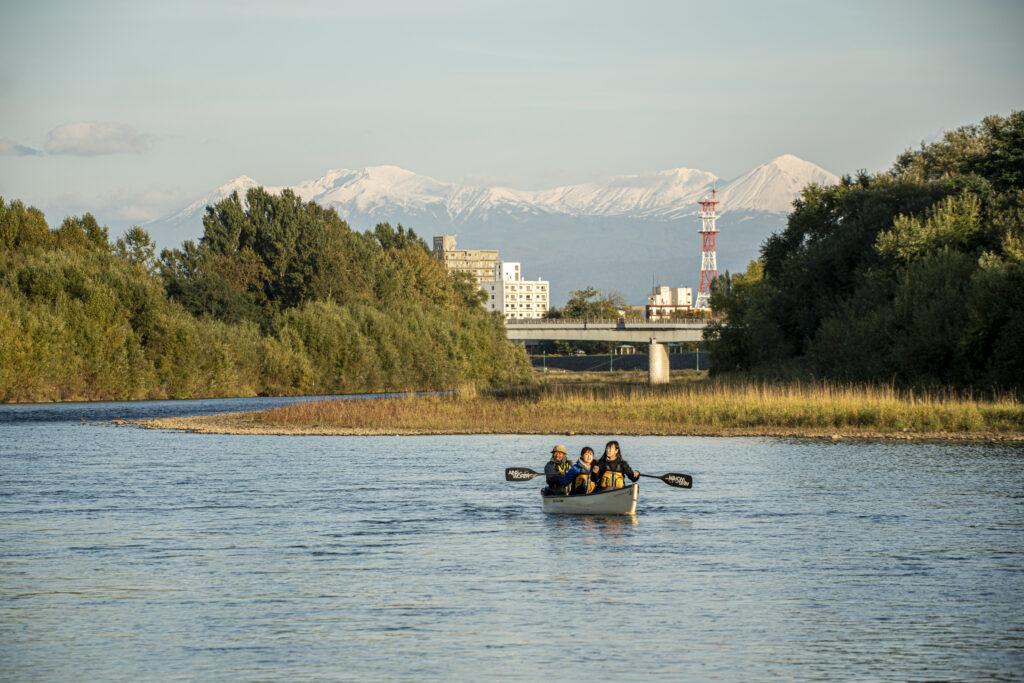
River rafting in the town where you can feel the nature of the basin and the lives of people
Mr. Eisada is currently working on a tour of the Ishikari River and the Chubetsu River, which flow through the center of Asahikawa City. “For a while from the starting point of Akigetsu Bridge, riverside forests spread out on both banks, and as Asahi Bridge approached, the townscape gradually came into view.” The city of Asahikawa seen from the river surface has a landscape that even locals have never seen before.
Furthermore, at the confluence with the Osarape River that goes down the Ishikari River and crosses the Kinbun Bridge, the legendary Ainu rock “Nochiu” rises about 3 meters high. The waterfront at the foot of Arashiyama, where lush greenery spreads, is also a hunting ground for the Ainu people, and many Ainu legends have been passed down in the watershed leading from there to Kami Kotan. Mr. Eisada explains the life of the Ainu people on the tour, interweaving myths.
Four rivers merge at the Asahikawa River and become one large stream that continues to the Ishikari Plain. The water source originates from the mountains of Daisetsuzan Mountain, further upstream of the Sounkyo Gorge. The clean water developed industries in the basin, such as sake brewing and noodle making. Mr. Eisada emphasizes that the history of Asahikawa is based on such topography, and that people’s lives and waterfront have always been closely related.
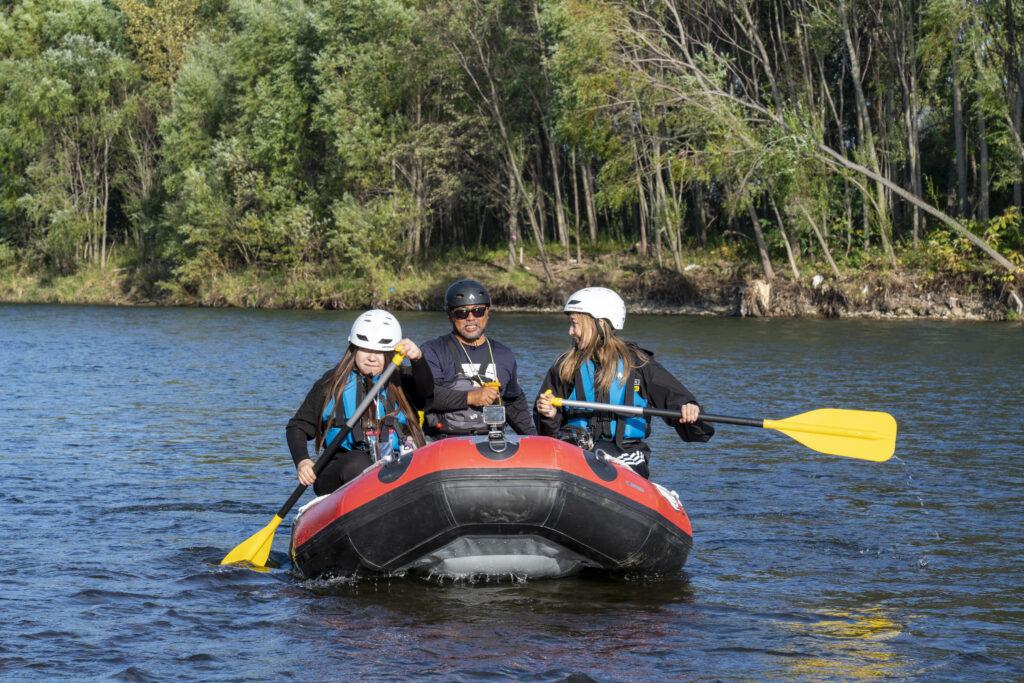
The charm of the river that shows various expressions throughout the four seasons
Early summer when the meltwater from Daisetsuzan pours in is cool and cold, and in midsummer, when the water temperature exceeds 20°C, it is pleasant to want to bathe in the river water. After Obon, when salmon spawning beds can be seen everywhere, autumn arrives when the riverside forests turn red and yellow beautifully. Rivers in heavy snowfall areas show various expressions throughout the four seasons. You can’t go river rafting in winter, but now it’s time to enjoy snow activities such as skiing and snowshoeing.
During the winter, Mr. Issada uses his former career in the construction industry to work on snow removal and attend study sessions for nature guides and other activities to gather information on activity tours. With advice from outsiders about what kind of tours are gaining popularity in the world, you may be able to realize the charm of the heavy snowfall area. He is also invited as an external lecturer at a local elementary school to convey the joy of playing in the river to children. At the same time, do not forget to tell them that after it rains, in addition to the water level rises, the strength of the current also increases, so it is a dangerous place.
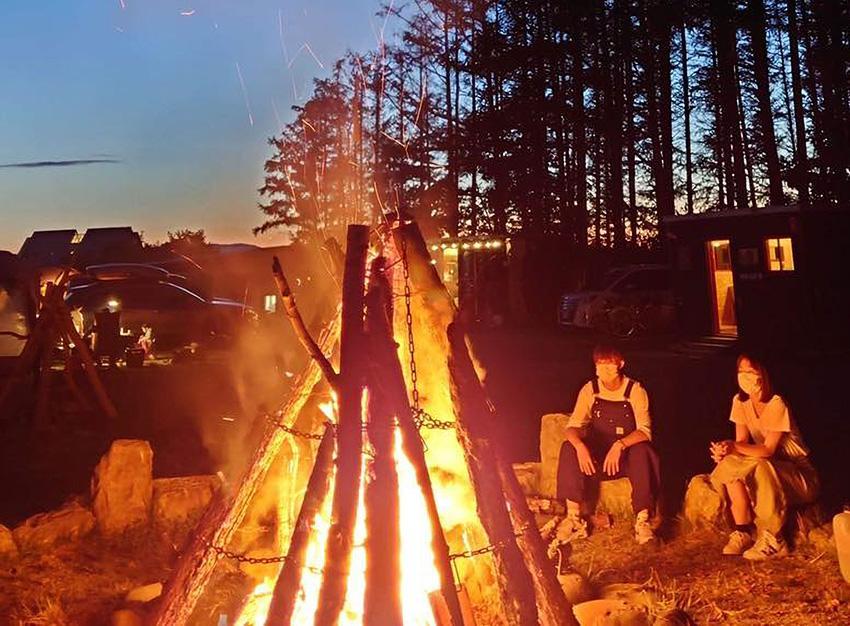
Feel romantic in the scenery of the Daisetsuzan Mountains and the starry sky as in the past
The time required for a town river downstream tour is about 1 hour and 30 minutes, for example, on a course of about 4 kilometers from Akigetsu Bridge ~ Asahi Bridge. During this time, you will also have time for a coffee break, looking for a place to land on the shore. The taste of freshly ground coffee is exceptional, as you drink while listening to the sound of the river flowing.
The waterside scenery, such as the topography and river flow, has changed a lot from the past, but the scenery and starry sky of Daisetsuzan Mountain seen from there are no different from the times when the Ainu people looked at it. Mr. Eisada feels romantic about that fact.
A similar feeling can be felt when you are having a campfire at a campsite. “When I suddenly looked up at the starry sky while looking at the flickering flames, I guess people in the past were looking at the same scenery around the fire… I think about it. I think that’s a memory engraved in our DNA.”
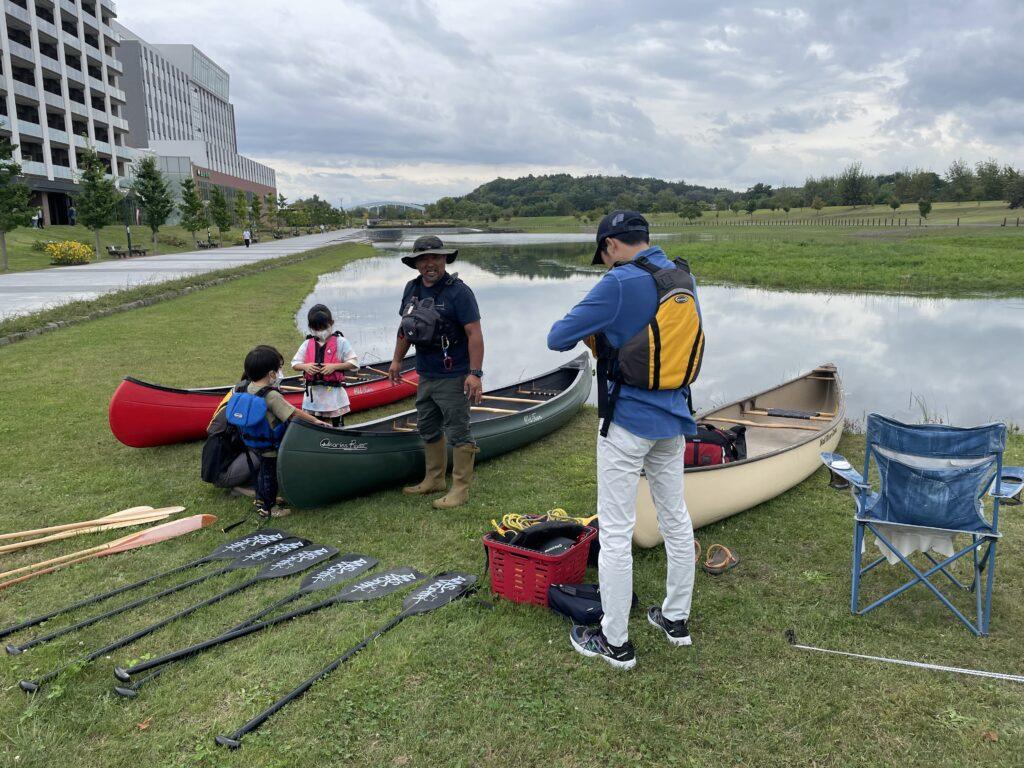
What is important in the experience tour is “feeling”
Since he was a boy, he had been grilling and eating fish caught in the river over a bonfire, and the waterfront of the Ishikari River was a familiar playground. Now that he is an adult, the heavy snow area is a place where he envisions his childhood dreams no matter how old he is.
In collaboration with the Daisetsu Kamui Mintara DMO, I coordinated a Canadian canoe experience tour at Kagami Pond behind the station. “I think Asahikawa is the only location in the world where you can enjoy canoeing 5 minutes from the station. Mr. Eisada’s eyes shine as he talks about his dreams.
Mr. Eisada, who has been devoting himself to baseball since elementary school, once took a three-night, four-day bicycle trip to Rumoi with four friends from the baseball team after his dream of participating in Koshien was shattered in the summer of his third year of high school. “I don’t remember what we talked about, but I still remember the beauty of the sunset I saw with my friends, the wind I felt on my bicycle, and the endless view of the sky and horizon.” The keyword “feeling” that Mr. Eisada still values on the tour is based on this experience.
“There is Mt. Asahidake, the highest peak in Hokkaido, and the meltwater that pours from it eventually becomes a large river, and people live in that basin.