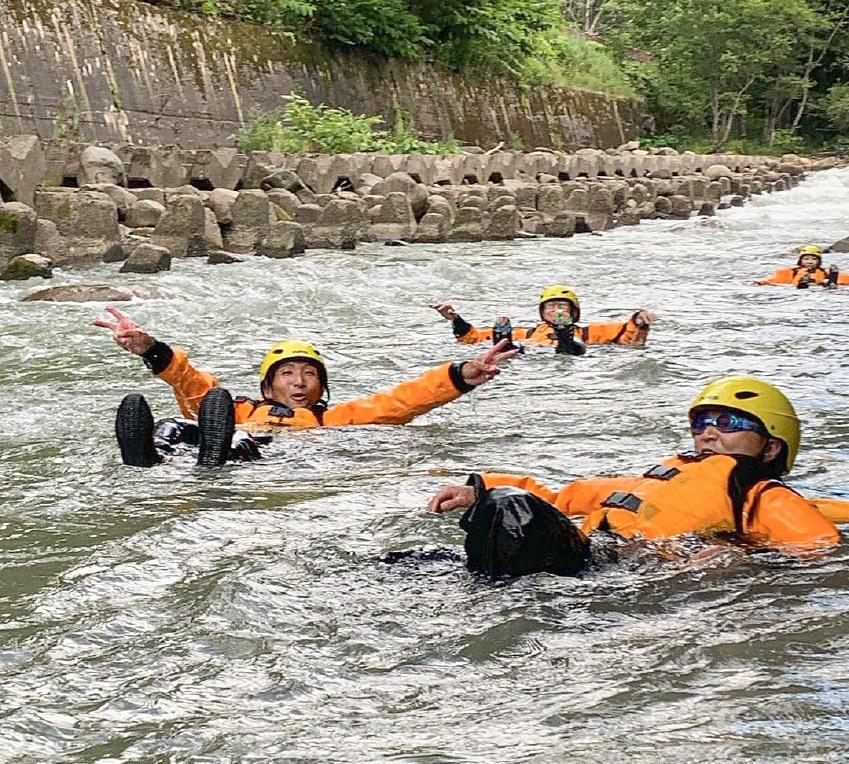
I want to convey the splendor of the waterside embraced by nature.
Continue your journey by chasing rivers around the world. Mr. Ota, who has continued the lifestyle of such a river guide, sat down in Kamikawa Town. Rivers, mountains, and people’s hearts are wonderful. In Daisetsuzan where the couple moved to Daisetsuzan five years ago, they convey the wonders of playing in nature through river rafting and the beauty of the waterside that shows various expressions depending on the season.
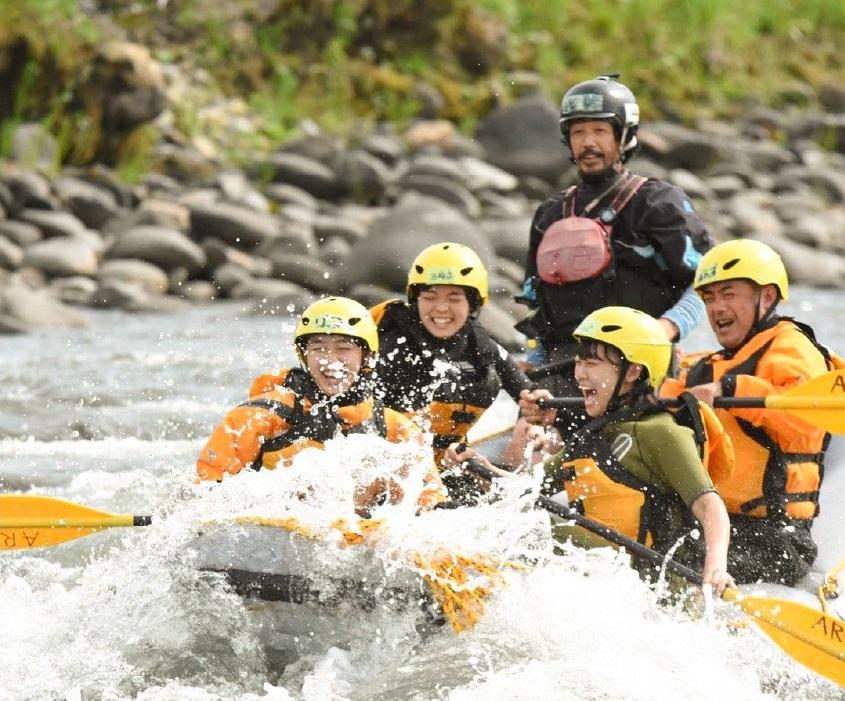
I felt the same charm as the backcountry of the winter mountains when I went down the river.
Mr. Ota, who is from Tomakomai City, Hokkaido, was fascinated by the charm of snowboarding and enjoyed snowboarding while working at a ski resort in Niseko. Sometimes we would venture into the backcountry and try to glide through pristine terrain covered in powder snow. Unlike the slopes, the backcountry skis in areas that are not artificially created. A fantastic monotone world spreads out in front of you. The time of year, weather, temperature, wind, snow, etc. are different, and you will never ski in the same conditions. Skiing while interacting with nature according to the situation at the time is the taste of the backcountry. In Niseko, I also experienced helping snowboarding instructors.
It was also in Niseko that I came across river rafting. When he experienced river rafting with a rafting instructor from Australia in the summer, he recalled, “I felt the same feeling as playing in the backcountry in the bosom of nature.” After that, Mr. Ota awakened to the charm of rafting, and after his experience in Shikoku and Yoshino River, which is said to be the highest peak of rafting in Japan, he went to New Zealand, where instructors from all over the world visit to obtain high-level qualifications.
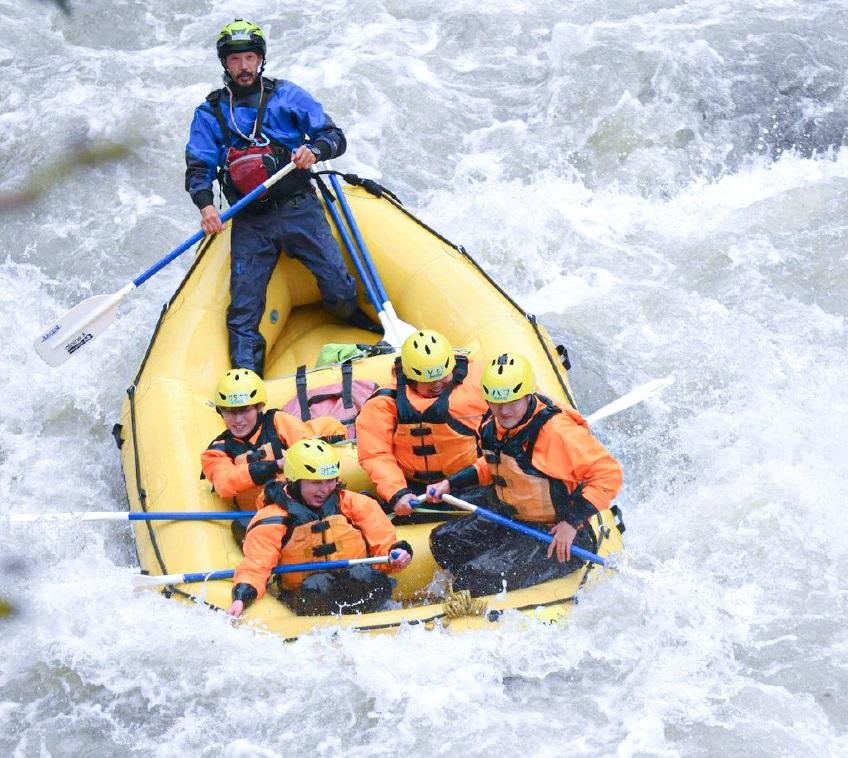
Qualified as New Zealand’s most challenging rafting guide
If Japan’s river rafting is two-dimensional, New Zealand is three-dimensional with added height. At first, I couldn’t figure out what kind of situation I was in, and I was at the mercy of the harsh current. On a rafting tour in New Zealand, there is a course where you can fall down a waterfall with a height difference of 7 meters, and by being exposed to such harsh conditions, I learned world-class rafting techniques such as how to read water and manage safety. It’s been two years since I moved to New Zealand. Mr. Ota obtained a grade 4/5 national qualification from the New Zealand Rafting Association (NZRA), and about seven years later, he obtained the most difficult senior guide required for a tour leader. Rafting guides have jobs anywhere in the world as long as they are qualified. When the southern hemisphere base is off-season, there are many people who are guides in the northern hemisphere. You can go anywhere in the world, where there are rivers. I laugh that I think that kind of free way of life suited my sexuality.
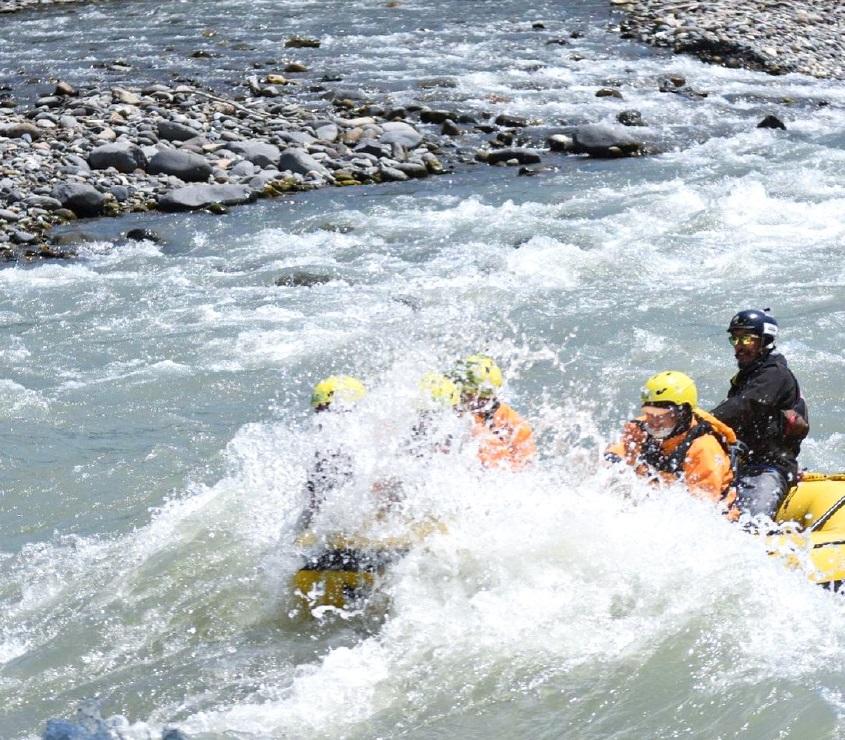
Rooted in Daisetsuzan Mountains and choosing a way of life that focuses on the community
As a guide, I felt happy in this way of life, but I also started to think about living with my family and raising children. As a ski guide, I remembered the Daisetsuzan I visited before. The valley with columnar joint cliffs stretches for about 25 km, and the rapids of the upper reaches of the Ishikari River continue. The Ishikari River, which can be said to be the main artery of Daisetsuzan National Park, is the best rafting course. Convinced of this, Mr. Ota set up an office along the river at the entrance of Sounkyo and established the “Alpine River Guide” to plan and operate river rafting tours. “Do you want to stick to your way of life as a guide, or do you want to take root in the community and focus on the land? I was hesitant, but I thought it would be interesting to try the latter way of life in terms of age.”
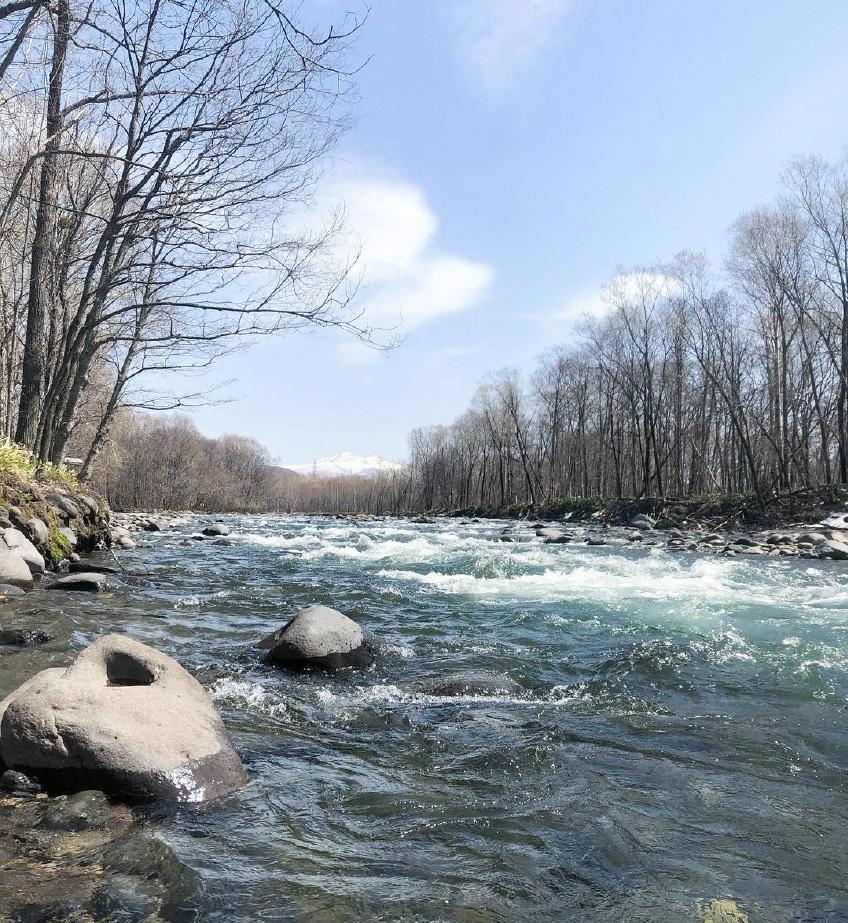
Endless play on the water’s edge that changes with the seasons
The Alpine River Guide divides the course into 11~12 sections (8~9 km) from Sounkyo and Ohan in the upper reaches of the Ishikari River through the gentle Asahikawa urban area to Kami Kotan to determine the condition and water volume of the riverside forest, and changes the course according to the season. In early spring, when the snow melts in earnest, you can enjoy one of the best rapids in Hokkaido at the Ohan and Kohan sections, as well as the Ninoiwa section. In June, when the greenery is abundant, water flows in every section, so you can enjoy gentle rafting for families from intense river rafting, which is the best season in a sense. In summer, when the mountains accumulate water, the amount of water is much reduced, but there are various activities such as jumping into the river and swimming in the midsummer sun. Autumn, when the autumn leaves begin, offers a different scenery. In early September, there is a timing when the water rises, and you can enjoy river rafting in sections that you could not go to in the summer. As you can see, the river has different expressions depending on the season, and there are different ways to enjoy it. Tours are available for half or one day, and custom tours also allow you to enjoy camping and fishing. The waterside play in Daisetsuzan is infinite.
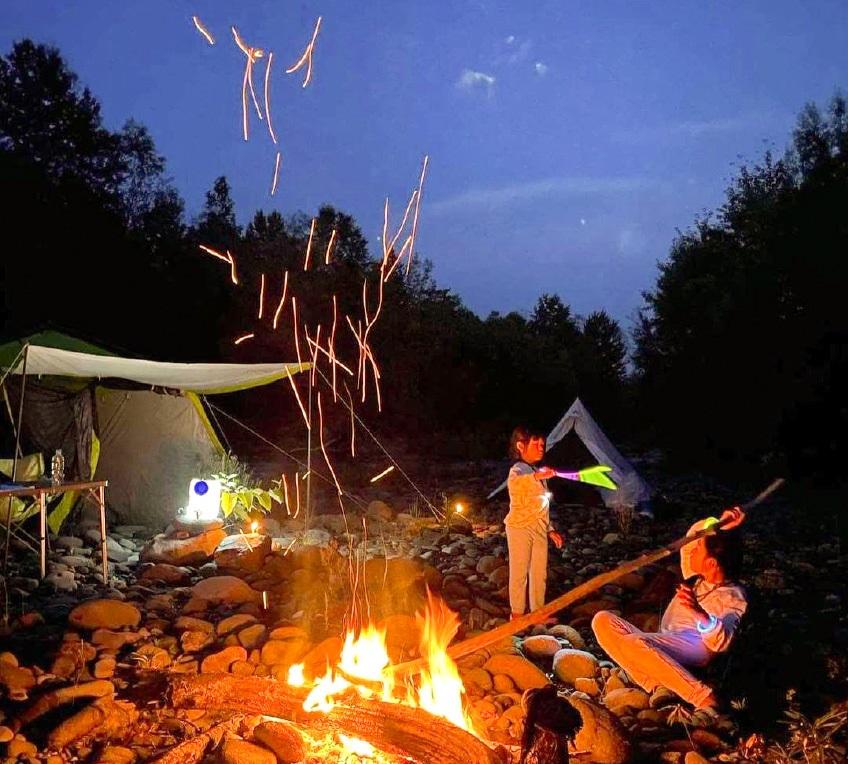
Time to face the river Feeling the connection with “life on earth”
“I want you to enjoy the longer, deeper, and waterside time, and I was happy that the locals took the tour and said that it changed the way they saw the locals. I would be happy if many people could come into contact with the charm of the river through the tour and pay attention to the environment, such as how much garbage is falling from it, and whether the river water is polluted by domestic wastewater. To that end, my future goal is to increase the number of fans near the water,” says Mr. Ota. Mr. Ota, who deeply and quietly thought about what he was thinking when he faced the river, said, “I feel like I feel life in the mountains and rivers, and I feel comfortable connecting with them.”